




Ocampo, chair of the City Council’s Committee on Environment and Natural Resources, said the city is working with the Japanese government on the project, which is planned to occupy about nine hectares.
He said the facility is expected to generate around 13 megawatts, with about 2 megawatts to be used for its own operations, leaving an estimated 11 megawatts for net output. Construction will depend on the procurement and bidding process.
The City Council has also approved an ₱11-million bond to support the city’s participation in the Department of Energy’s auction for WTE projects.
“If the city does not win or advance in the bidding, the bond will be refundable,” Ocampo said. “If the city succeeds in the bid, the amount will instead serve as a performance bond tied to the completion of the project, " he said.
Ocampo stressed that proper waste segregation will be crucial to the facility’s operation, particularly the separation of recyclables, food waste and other materials that require different forms of treatment.
He also said emissions from the facility, including dioxins and furans, will be closely monitored in coordination with the Department of Environment and Natural Resources and the Environmental Management Bureau.
Meanwhile, Ocampo said garbage collection in the city remains operational amid the transition to the New Carmen Landfill.
Davao City currently generates an estimated 700 to 800 tons of waste daily, he said, while urging residents to observe proper waste segregation and follow designated garbage collection schedules. AlaminData
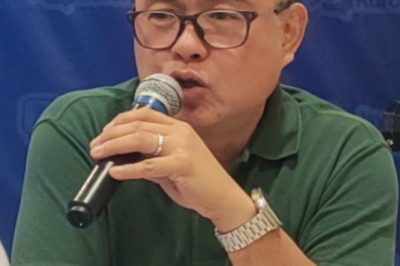
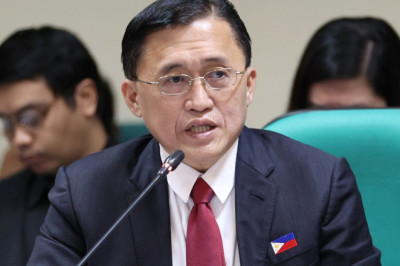
Councilor Tek Ocampo







Facebook Conversations